Mudd Automotive Club · Sep 2023 → Present
Hybrid-Powered Go-Kart
A parallel-hybrid go-kart pairing a Yamaha SRX 440 engine with four 12 V electric motors, built on a TIG-welded 4130 chromoly chassis that runs 15% lighter than a welded-only frame.
I engineer the hybrid drivetrain integration and chassis: TIG welding 4130 chromoly, CNC machining 6061 brackets, and 3D printing ABS angled joints. Drivetrain control logic is my current focus.
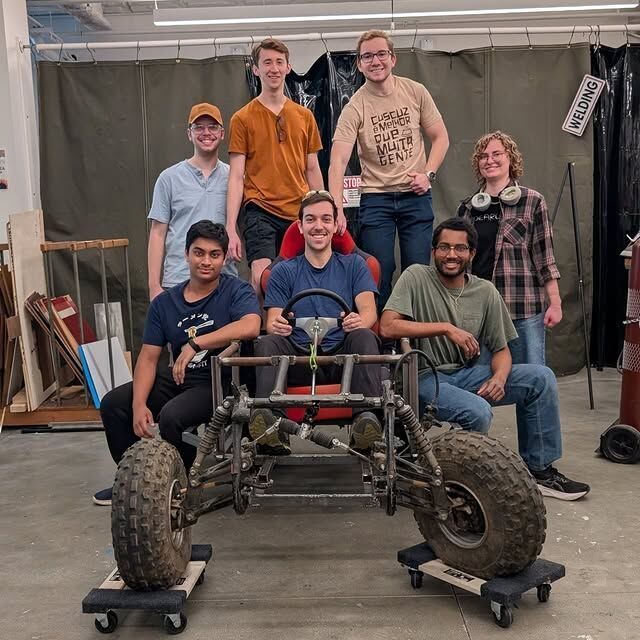
The Hybrid-Powered Go-Kart pairs a Yamaha SRX 440 internal-combustion engine with four 12 V electric motors in a parallel hybrid powertrain: combined power delivery and regenerative braking in a lightweight, safe chassis.
Two drivetrains in one small vehicle is the whole problem. The build has to transition cleanly between combustion and electric power, recover energy through regenerative braking, and stay light without giving up strength or driver safety.
Problem & objectives
The project reconciles two distinct drivetrain systems in one chassis, targets dependable regenerative braking, and holds tight manufacturing tolerances everywhere function and safety depend on them.
- Hybrid integration: reliable transitions between combustion and electric modes
- Performance: optimize torque and speed while keeping the driver safe
- Strength-to-weight: materials and chassis geometry that hold up without excess mass
Design
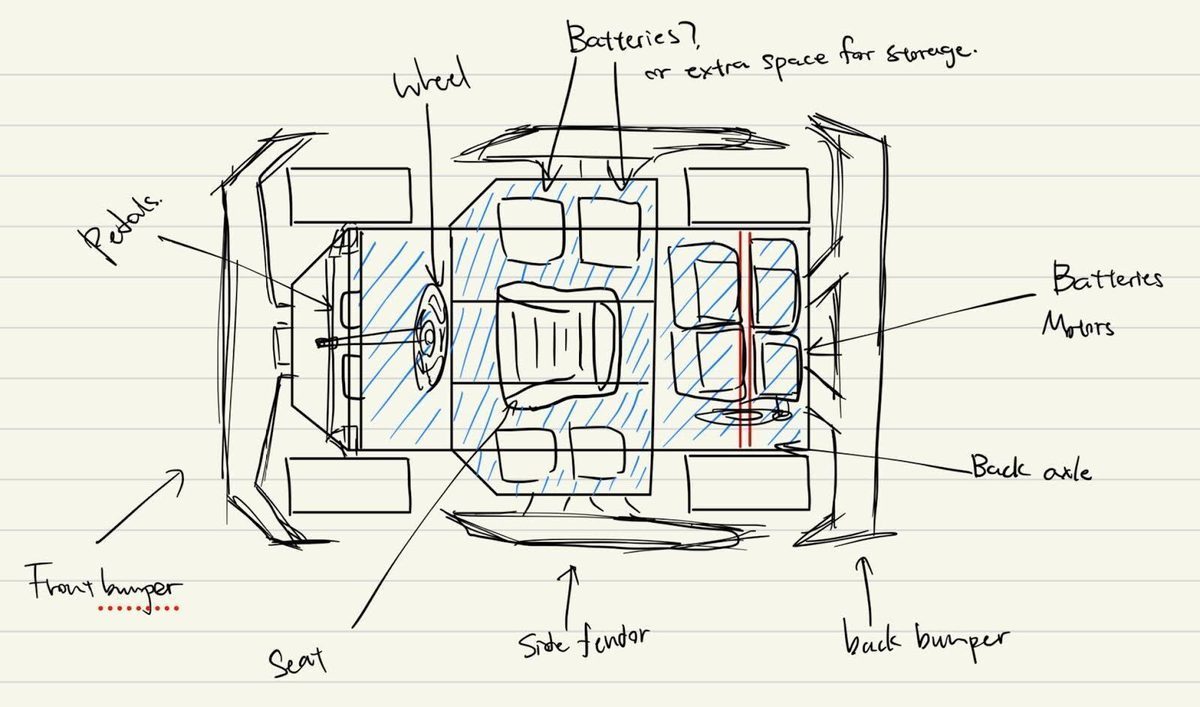
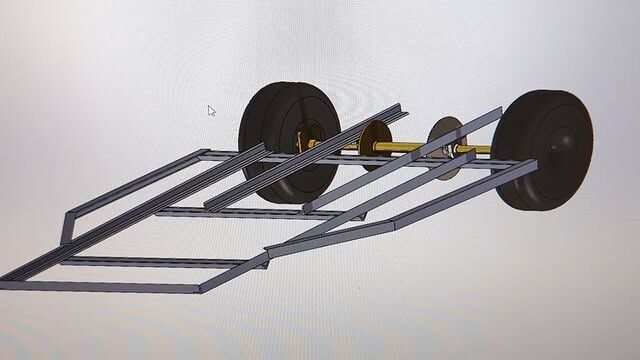
We sketched chassis concepts, then developed the full chassis and component set in SolidWorks with simulations, detailed drawings, and load-path-driven geometry for the drivetrain housing and driver cell.
Fabrication
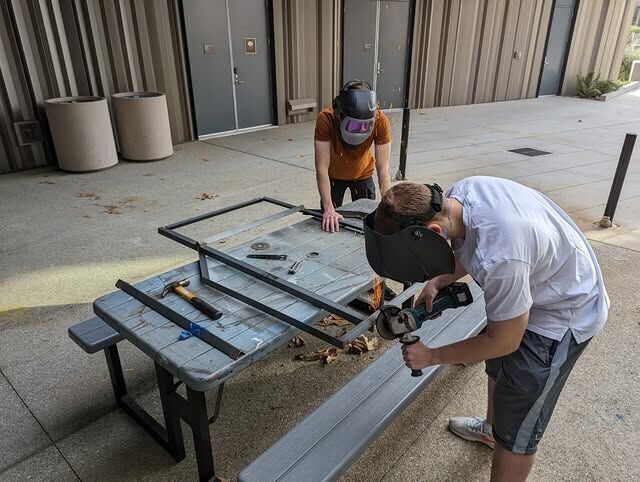
The frame combines three processes, each chosen for its load case:
- Chassis: TIG-welded 4130 chromoly tubing for torsional stiffness and crash resistance
- Brackets and mounts: CNC-machined 6061 aluminum holding tight tolerances for drivetrain alignment
- Angled joints: ABS 3D printed, cutting total frame weight 15% versus a welded-only frame
- Hybrid drivetrain: the SRX 440 paired with electric motors in a parallel architecture, which required custom clutch solutions
Current status
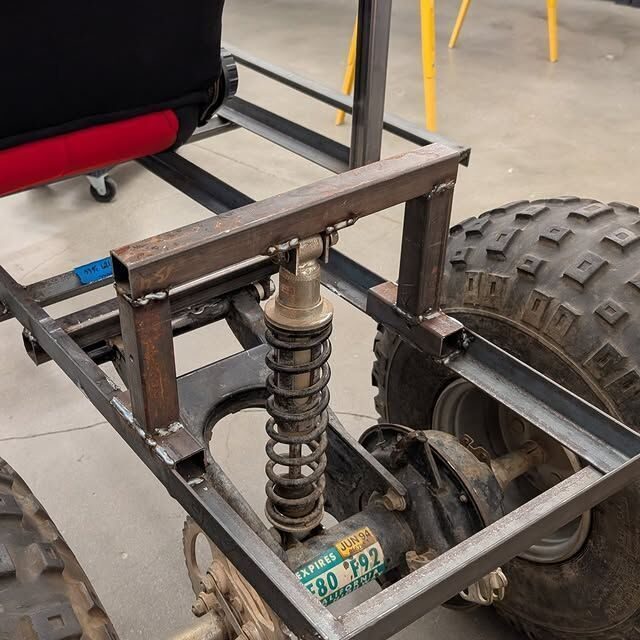
Chassis fabrication is complete. Drivetrain components are through preliminary integration and headed into testing. Control logic for power blending and regenerative braking is in active development, and early rolling and brake trials are underway.
Lessons & next steps
This build keeps sharpening my TIG welding, CNC tolerance control, hybrid drivetrain integration, and design-for-manufacture judgment in SolidWorks.
- Complete drivetrain coupling and controls
- Integrate the battery pack and wiring
- Finalize hybrid control logic, especially regenerative braking
- Run system-level tests and finish documentation